


All about CCTV and its types

These days, CCTV is an important security thing and used for different locations such as houses, companies, industry and etc. CCTV has different types and every of them must use in specific place and situations. CCTV is one of the essential device for keeping the security of your place and you can buy it in network equipment.
losed-Circuit Television (CCTV) is a system of video cameras used to transmit signals to a specific set of monitors, rather than broadcasting the footage publicly. CCTV is mainly used for surveillance, security and monitoring activities in public and private spaces.
What is CCTV?
CCTV (Closed-Circuit Television) refers to a video surveillance system where the signal is not publicly broadcast, but rather is sent to a limited set of monitors. It’s commonly used in areas requiring enhanced security or monitoring, such as:
- Banks
- Airports
- Offices
- Stores and malls
- Roads and highways
- Homes
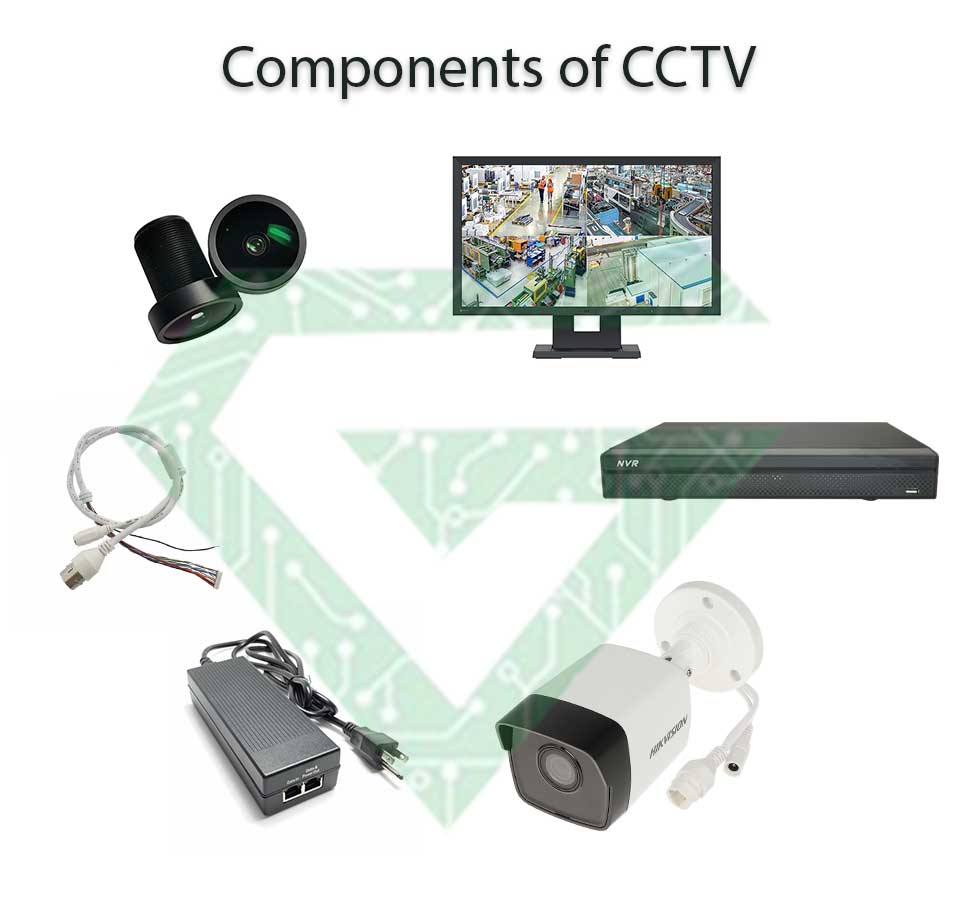
Main Components of a CCTV System:
- Cameras: Capture video footage.
- Lenses: Determine field of view and clarity.
- Digital Video Recorder (DVR) or Network Video Recorder (NVR): Record and store footage.
- Monitors: For viewing footage.
- Cables or Network Equipment: For transmitting video and power.
- Power Supply: To run the system.
Types of CCTV Cameras:
Here are the main types of CCTV cameras, categorized based on technology, shape, and purpose: Closed-Circuit Television, commonly known as CCTV, is a video surveillance system used to monitor and record activity in a specific area for security and monitoring purposes.
Unlike broadcast television, CCTV transmits its signal to a limited set of monitors, making it a closed system primarily used in places like banks, airports, offices, stores, roads, and homes. A typical CCTV system includes cameras, lenses, a recorder (either a Digital Video Recorder or Network Video Recorder), monitors, cables or wireless transmitters, and a power supply.
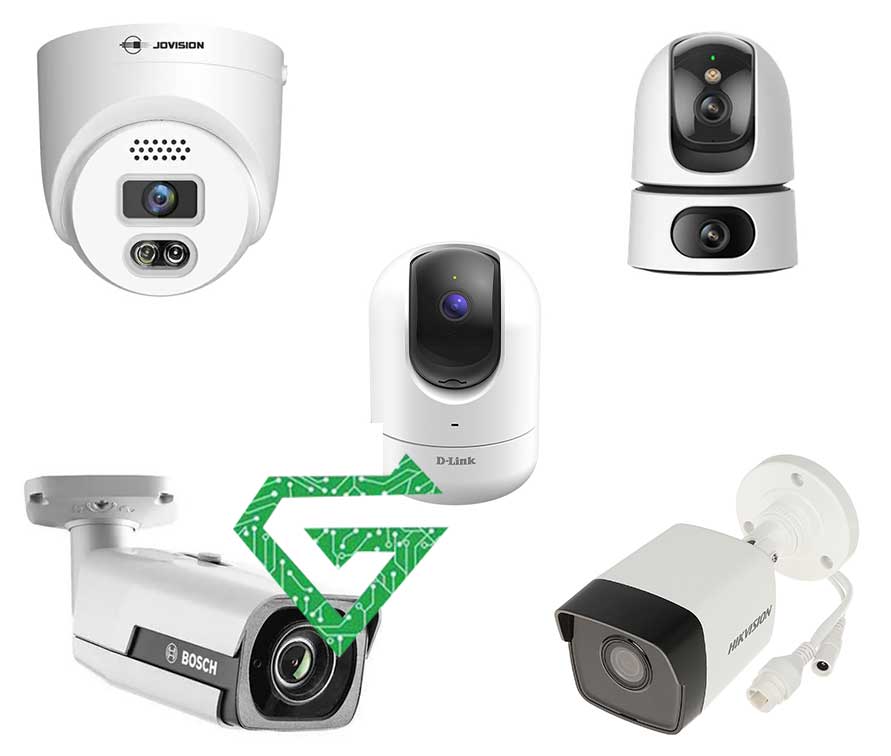
CCTV cameras come in various types based on their technology, shape, and purpose. Technologically, there are analog cameras, which are cost-effective but offer lower resolution, and IP (Internet Protocol) cameras, which provide high-resolution footage and support features like remote access and motion detection.
In terms of shape and mounting, dome cameras are discreet and ideal for indoor use, while bullet cameras are more visible and weatherproof, making them suitable for outdoor areas. PTZ (Pan-Tilt-Zoom) cameras allow for dynamic control of the viewing angle and zoom, whereas turret and box cameras offer clear images and deterrent effects respectively.
Feature-wise, some cameras are designed for specific needs such as night vision (using infrared LEDs), day/night adaptability, wireless operation, thermal imaging for detecting heat signatures, and 360-degree viewing for covering large spaces with a single unit.
The benefits of using CCTV include crime deterrence, real-time monitoring, evidence gathering, and enhanced safety, especially when remote access is enabled in IP systems. However, limitations such as privacy concerns, potential high costs, vulnerability to tampering, and maintenance needs must also be considered. Overall, CCTV systems are vital tools for enhancing security in both public and private settings.
Read more: What Standard ONVIF Means in CCTV
1. Based on Technology
a. Analog CCTV: this type is Oldest type, Transmits video over coaxial cables to a DVR, Lower resolution and Cost-effective.
b. Digital / IP CCTV (Internet Protocol): Transmits data over a network (LAN/WAN/internet), Higher resolution, More scalable and flexible and Supports advanced features like motion detection and remote access.
2. Based on Shape / Mounting Style
a. Dome Cameras: Dome-shaped casing, Discreet and hard to tell which way the camera is pointing and Good for indoor surveillance.
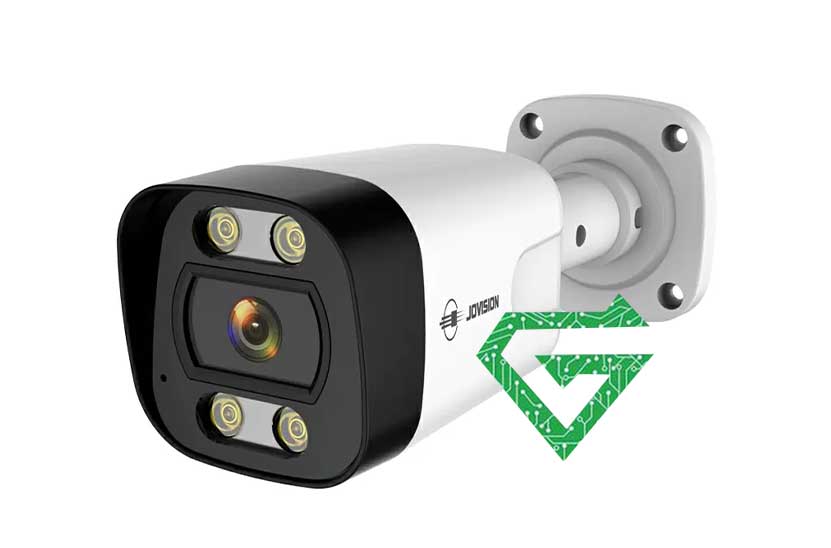
b. Bullet Cameras: Cylindrical, noticeable, Ideal for outdoor use with long-range and Weatherproof models available.
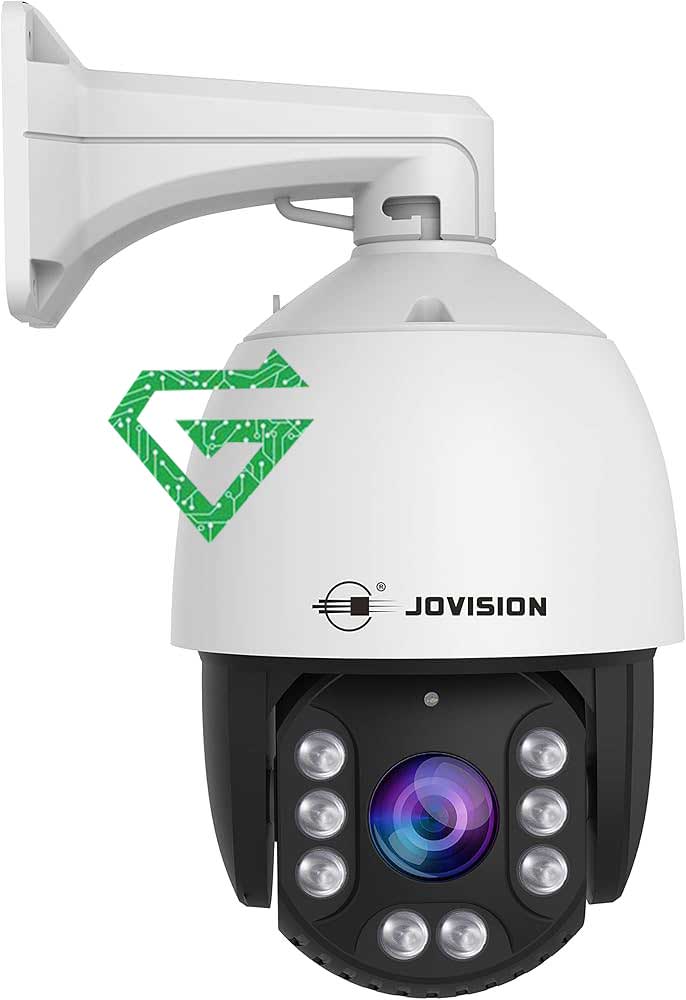
c. PTZ Cameras (Pan-Tilt-Zoom): Can rotate horizontally (pan), vertically (tilt), zoom in/out, Controlled manually or automatically and Used in large spaces (e.g., parking lots, malls).
d. Turret Cameras (Eyeball Cameras): Similar to dome but easier to adjust, No glass dome (reduces glare) and Common in both indoor and outdoor settings.
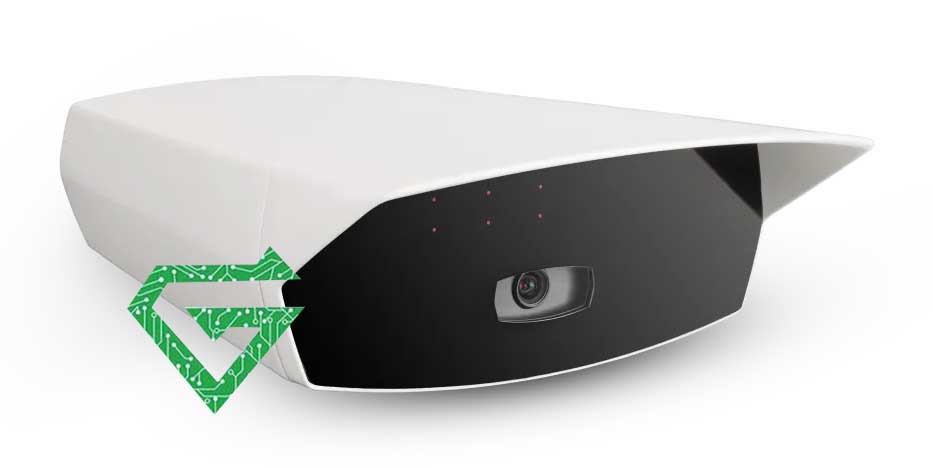
e. Box Cameras: Large and obvious, often used as a visual deterrent and Adjustable lenses and features.
3. Based on Features
a. Day/Night Cameras: Designed to function in both normal and poorly lit environments and No infrared; relies on sensitive imaging.
b. Infrared/Night Vision Cameras: Equipped with IR LEDs to see in complete darkness and Useful for 24/7 surveillance
c. Wireless Cameras: Transmit video over Wi-Fi, Easier to install, more flexible placement and May be vulnerable to interference or hacking if not secured properly.
d. Thermal Cameras: Detect heat instead of light and Useful for detecting intrusions in complete darkness or bad weather
e. 360-Degree Cameras (Fisheye): Wide panoramic view and Can cover an entire room with one camera
Advantages of CCTV:
- Crime deterrence
- Real-time monitoring
- Evidence collection
- Enhanced safety in public areas
- Remote access and control (IP-based systems)
Limitations of CCTV:
- Privacy concerns
- Can be expensive (especially high-end systems)
- Vulnerable to tampering
- Requires storage management and periodic maintenance
Read more: What is Uplink Port and Its difference with Downlink
Features of CCTV Types:
1. Analog CCTV Cameras
- Uses coaxial cables to transmit video to a DVR
- Lower resolution
- Affordable and simple to install
- Limited scalability
- Basic functionality without smart features
2. IP (Internet Protocol) Cameras
- Transmits video over a network (LAN/Wi-Fi)
- High-definition video (up to 4K or more)
- Supports remote access via apps or browsers
- Smart features: motion detection, alerts, analytics
- Scalable and flexible for large systems
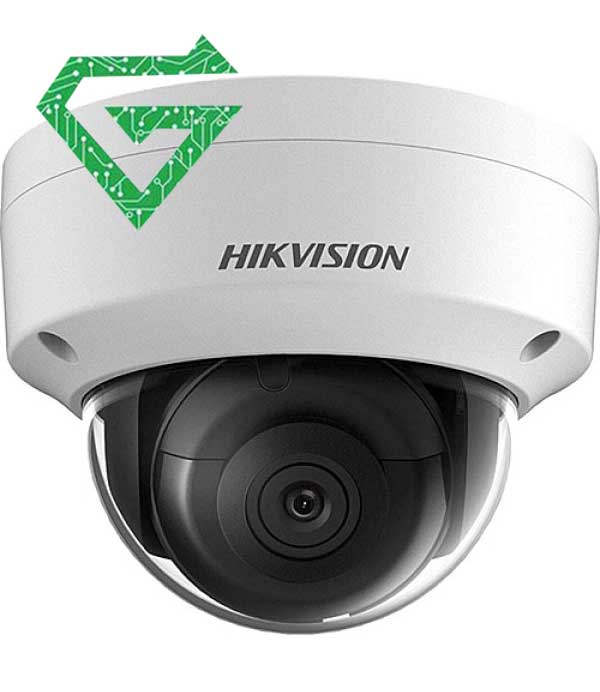
3. Dome Cameras
- Dome-shaped, discreet design
- Hard to tell which direction the camera is facing
- Good for indoor use
- Often vandal-resistant
- Typically wide-angle lens
4. Bullet Cameras
- Cylindrical and visible (acts as a deterrent)
- Long-range viewing
- Ideal for outdoor surveillance
- Often weatherproof and IR-enabled
5. PTZ Cameras (Pan-Tilt-Zoom)
- Can rotate horizontally and vertically
- Optical zoom capability
- Manual or auto-tracking movement
- Suitable for wide open areas (e.g., parking lots)
- Higher cost but very versatile
Read more: PTZ CCTV Camera
6. Turret Cameras (Eyeball Cameras)
- Ball-and-socket design for flexible positioning
- No dome glass = no IR glare at night
- Easier to install and adjust than dome
- Used both indoors and outdoors
7. Box Cameras
- Large, visible body
- Interchangeable lenses
- Often used in commercial or high-risk areas
- Easily noticeable for deterrence
8. Day/Night Cameras
- Works well in both bright and low light
- Doesn’t use infrared; relies on imaging sensor
- Suitable for entrances, outdoor shaded areas
9. Infrared (IR) / Night Vision Cameras
- Built-in IR LEDs for night vision
- Can see in total darkness
- Ideal for 24/7 surveillance
- Range varies (typically 10–50 meters)
10. Wireless Cameras
- Connects via Wi-Fi (no video cables)
- Flexible placement, easier to install
- Suitable for small businesses or home use
- Needs strong network and proper security
11. Thermal Cameras
- Detects heat instead of light
- Functions in darkness, fog, smoke
- Ideal for industrial, military, or perimeter use
- High cost but unique detection capabilities
12. 360-Degree (Fisheye) Cameras
- Ultra-wide panoramic view
- Covers an entire room or area with one device
- Suitable for open offices, lobbies, or warehouses
- May support dewarping for better viewing
Read more: Night Vision Capability in CCTV
In different situations which cctv must use?
which type of CCTV camera is best suited for different situations, so you can choose based on your environment and purpose:
Home Surveillance
- Dome Cameras: For indoor areas like living rooms, hallways—discreet and tamper-resistant.
- Wireless IP Cameras: Easy to install, access via phone, ideal for small setups.
- Infrared (IR) Cameras: For night-time monitoring (e.g., yard, entrance).
- Turret Cameras: For both indoor/outdoor use with clear night vision and easy adjustment.
Why? Homes need compact, reliable cameras that blend in and offer night vision. Remote access is a plus.
Office or Business (Indoor)
- Dome Cameras: Look professional, prevent tampering, cover wide indoor spaces.
- 360° Fisheye Cameras: Perfect for open-plan offices or lobbies to reduce blind spots.
- IP Cameras: High resolution, remote access, and scalability for large buildings.
Why? Offices need clear coverage, discreet monitoring, and support for multiple cameras in one system.
Shops, Stores, and Retail
- Dome or Turret Cameras: Monitor aisles, cash registers discreetly.
- Box Cameras: Visible deterrent for theft, especially near exits.
- 360° Cameras: Monitor entire sales floor from one location.
- Infrared Cameras: For after-hours monitoring.
Why? Retail spaces need a mix of deterrent visibility and coverage of blind spots, plus evidence recording.
Warehouses / Industrial Areas
- Bullet Cameras: Long-range, ideal for loading bays and large open areas.
- PTZ Cameras: Allows security to pan/zoom to follow activity.
- Thermal Cameras: For detecting heat or intruders in dark/noisy areas.
- IP Cameras with Analytics: For tracking people, vehicles, and activities.
Why? These environments are large and complex, requiring long-range, smart, and weather-resistant solutions.
Parking Lots / Outdoor Areas
- Bullet Cameras: Weatherproof, long-range.
- PTZ Cameras: To cover large zones and follow moving vehicles.
- IR Cameras: For night-time visibility.
- Thermal Cameras: For foggy or low-visibility conditions.
Why? Outdoor spaces need wide coverage, motion tracking, and strong night vision or thermal imaging.
Hospitals or Schools
- Dome Cameras: Discreet and vandal-resistant for hallways.
- 360° Cameras: Efficient for large open waiting or learning areas.
- PTZ Cameras: For monitoring large grounds.
- IP Cameras: For centralized and secure remote access.
Why? These areas prioritize discreet observation, broad coverage, and incident review.
High-Security Areas (e.g. Military, Airports, Banks)
- PTZ Cameras with auto-tracking
- Thermal Imaging Cameras
- High-Resolution IP Cameras with AI
- Redundant recording systems
Why? Security is top priority. Needs smart features, intrusion detection, remote control, and clear evidence.
Conclusion:
CCTV systems are essential tools for enhancing security, monitoring activities and preventing crime in a wide range of environments from homes and offices to public spaces and high-security facilities. By offering real-time surveillance, evidence recording and remote access capabilities, CCTV helps protect people, property and information.
The variety of camera types such as dome, bullet, PTZ, thermal, and wireless ensures that there is a suitable option for every situation and need. Whether you’re securing a small home or a large industrial site, choosing the right type of CCTV system based on environment, lighting, coverage area and budget is key to achieving effective and reliable surveillance.
With advancements in IP technology, night vision, and smart analytics, modern CCTV systems are more powerful and accessible than ever. If this article was useful for you, you can read other articles in Atech Blog. please share your idea with un in comment.