


Night Vision Capability in CCTV

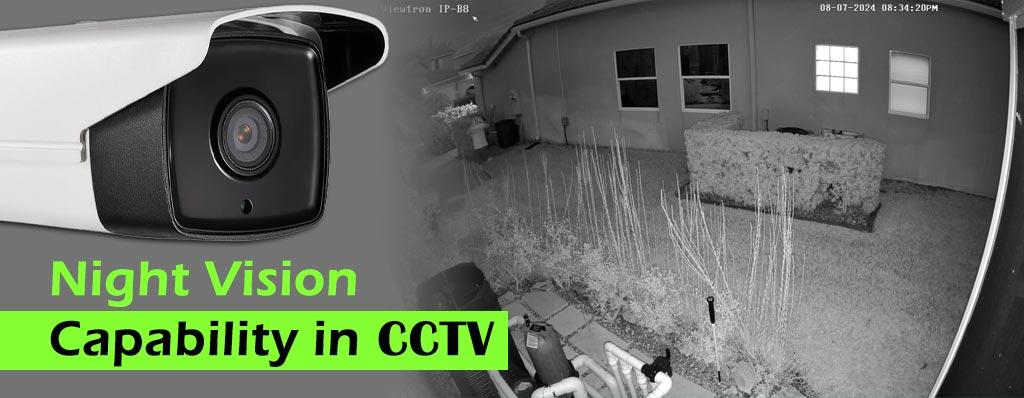
In the field of CCTV, many companies such as Jovision are working to develop advanced features to provide better security for both businesses and residential areas. Some of these features include IP67 weatherproof standards, IR LEDs, and more. One of the most valuable features introduced in CCTV systems is night vision capability. In the rest of this article, we will explain this feature in detail.
Night Vision Capability in CCTV:
Night vision in CCTV cameras refers to the ability of the camera to capture clear video footage in low-light or complete darkness. This feature is essential for surveillance systems that need to operate 24/7, especially during nighttime when crimes like theft or vandalism are more likely to occur. Most CCTV cameras especially IP Camera use infrared (IR) technology for night vision.
These cameras have built-in IR LEDs that emit invisible infrared light, which reflects off objects and is captured by the camera sensor, allowing it to “see” in the dark. When it gets dark, the camera automatically switches to black-and-white mode to enhance clarity and brightness. Some more advanced cameras offer color night vision using low-light sensors or external illumination like white LEDs.
Night vision is an important feature because it ensures constant surveillance, regardless of lighting conditions. Key aspects to know include IR range (how far the camera can see at night), image clarity, motion detection accuracy at night, and whether the camera has Smart IR (which adjusts brightness to prevent overexposure of close objects).
Without night vision, CCTV cameras would be nearly useless in dark environments. Therefore, for any effective security setup whether at home, in a business, or outdoors night vision is a critical capability.
Why is night vision important?
- 24/7 Monitoring: Without night vision, CCTV is almost blind at night.
- Security & Safety: Many crimes (like break-ins or vandalism) happen at night.
- Evidence Collection: Clear footage in the dark can help identify suspects, vehicles, or actions.
- Peace of Mind: You don’t have to worry about dark areas in your home, business, or street.
How does night vision work?
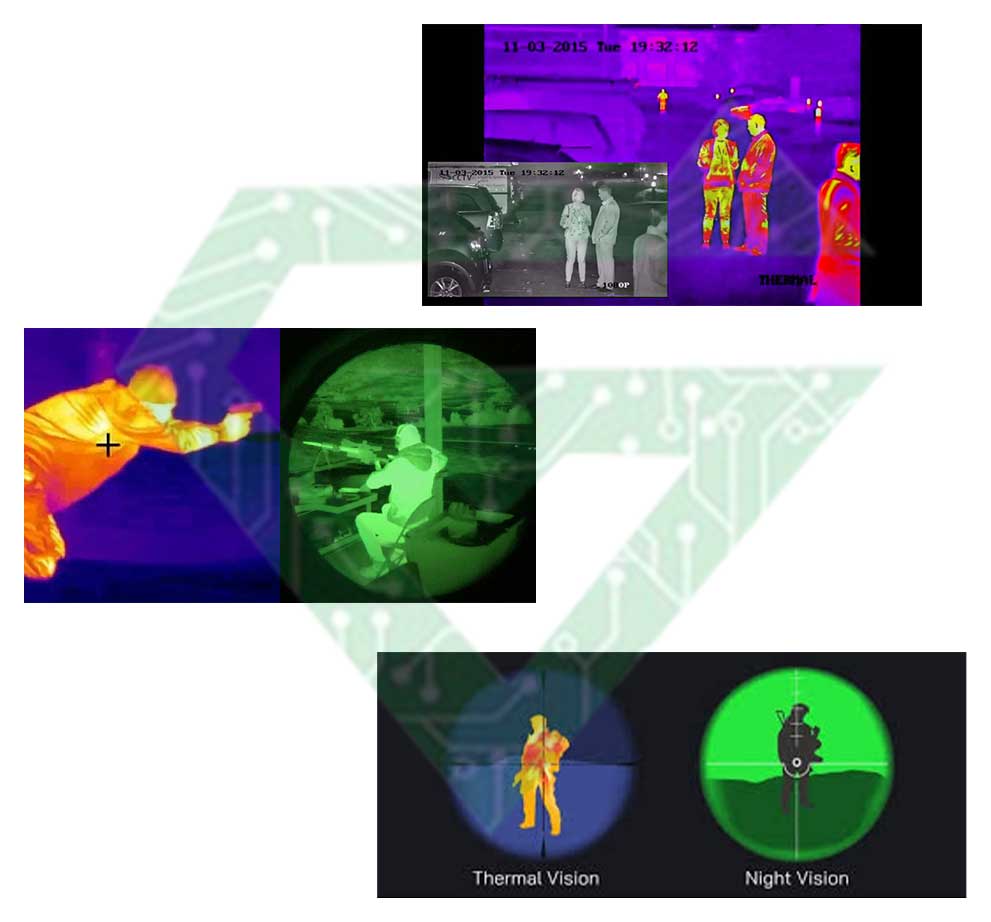
There are three main types of night vision used in CCTV cameras: Infrared (IR) night vision, color night vision, and thermal imaging. Infrared night vision is the most common. It works by using IR LEDs positioned around the camera lens to illuminate the scene with invisible infrared light. When lighting conditions are low, the camera automatically switches to black-and-white mode to enhance image clarity.
The effectiveness of this type of night vision depends on the number and strength of the IR LEDs, which determine how far the camera can see in the dark typically ranging from 10 to 50 meters or more. The second type, color night vision, uses ultra-low-light sensors (such as Starlight technology) to capture full-color images even in dim environments. However, it usually requires some ambient light to function properly.
Some models also include white LEDs that act like a spotlight to brighten the scene. The third type is thermal imaging, which doesn’t rely on light at all but instead detects heat signatures from objects and people. While this technology is more expensive, it is highly effective in complete darkness and is often used in military applications, border control, and certain industrial sites.
Types of Night Vision CCTV:
- Infrared (IR) Night Vision
- Most common.
- Uses IR LEDs around the lens to light up the scene with invisible infrared light.
- The image turns to black & white at night for better clarity.
- Range depends on the number and power of IR LEDs (e.g., 10m, 20m, 50m range).
- Ideal for both indoor and outdoor use.
- Color Night Vision (Full-Color in Low Light)
- Uses ultra-low light sensors (Starlight or similar).
- Produces color images even at night, but needs a little ambient light.
- Some models include white LEDs to light the area like a flashlight.
- Good for detail like clothing color, car color, etc.
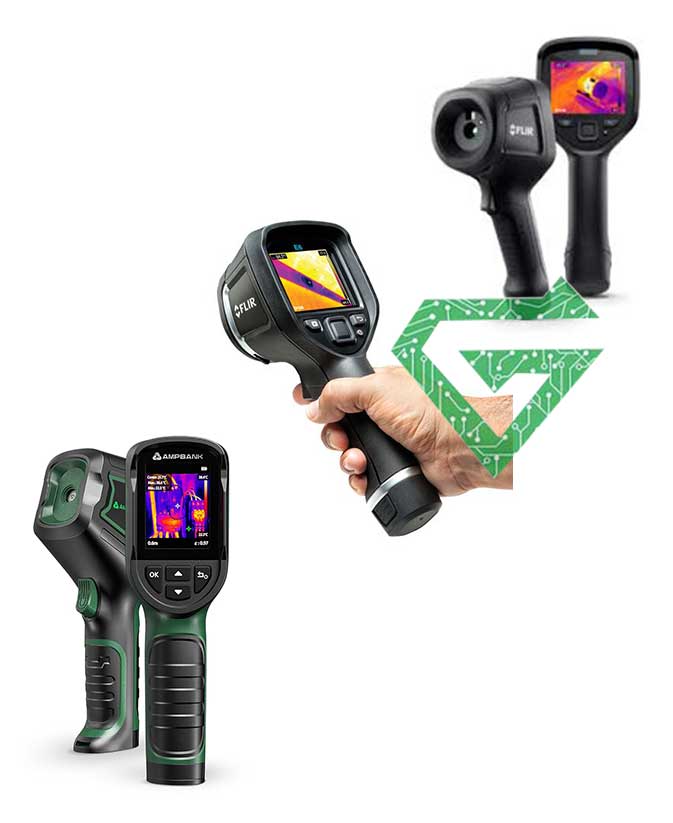
- Thermal Cameras (Heat-based)
- Detects heat, not light.
- Can work in total darkness, fog, smoke, and even through some obstacles.
- Expensive and mainly used in military, border control, airports, or critical infrastructure.
- Day/Night Cameras
- Designed to work well in both bright and dark conditions.
- Do not have IR LEDs, but have special lenses and sensors.
- Automatically adjust to changing light without losing image quality.
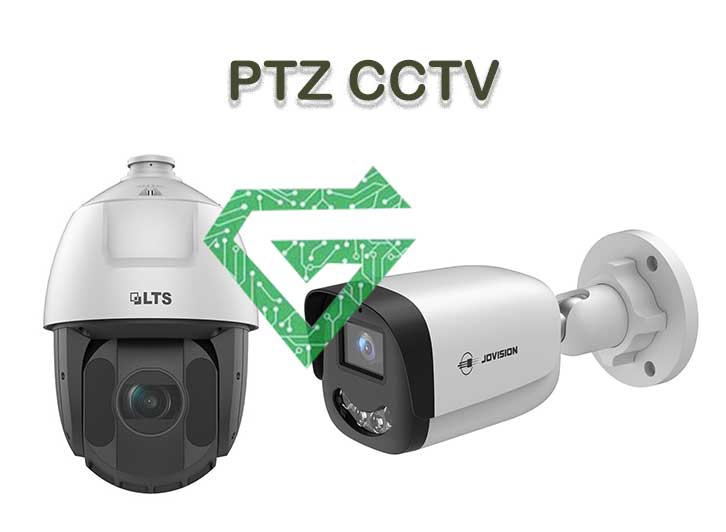
- PTZ Cameras with Night Vision (Pan-Tilt-Zoom)
- Combine night vision (usually infrared) with remote control movement.
- Can rotate, zoom, and tilt to cover wide areas, even in darkness.
- Often used in large spaces like parking lots or industrial zones.
Features to look for in night vision camera:
-IR Range
Determines how far the camera can see in the dark (e.g., 10m to 100m).
-Smart IR
Automatically adjusts the infrared brightness so that close objects don’t appear too bright or washed out.
-IR Cut Filter (ICR)
Switches the camera between daytime (color) and nighttime (black & white) modes for better image accuracy.
-Low-Light Sensitivity (Lux Rating)
The lower the lux rating, the better the camera performs in darkness. A 0 lux rating means the camera can see in total darkness (with IR).
-LED Count and Type
More LEDs or high-power LEDs provide longer IR range and better coverage in the dark.
-Noise Reduction (e.g., 3D DNR)
Reduces grainy or blurry video in low-light conditions, improving image clarity.
-WDR (Wide Dynamic Range)
Balances light in scenes with both bright and dark areas helpful during sunrise, sunset, or when lights shine into the camera.
Are IR LEDs and Night Vision different?
They are not exactly the same, but they are closely related. IR LEDs (Infrared Light-Emitting Diodes) are hardware components built into many CCTV cameras. They emit invisible infrared light that cannot be seen by the human eye, but can be detected by the camera’s image sensor. This infrared light is used to illuminate dark areas, allowing the camera to capture clear footage at night.
On the other hand, night vision refers to the camera’s ability to see and record video in low-light or complete darkness. This capability is usually achieved through the use of IR LEDs, but not always. Some night vision systems rely on other technologies, such as ultra-low-light sensors (like Starlight) or even thermal imaging. In most CCTV systems, infrared night vision is the most common, but it’s important to understand that night vision is the result, while IR LEDs are one of the tools that make it possible.
Read more: All about CCTV and its types
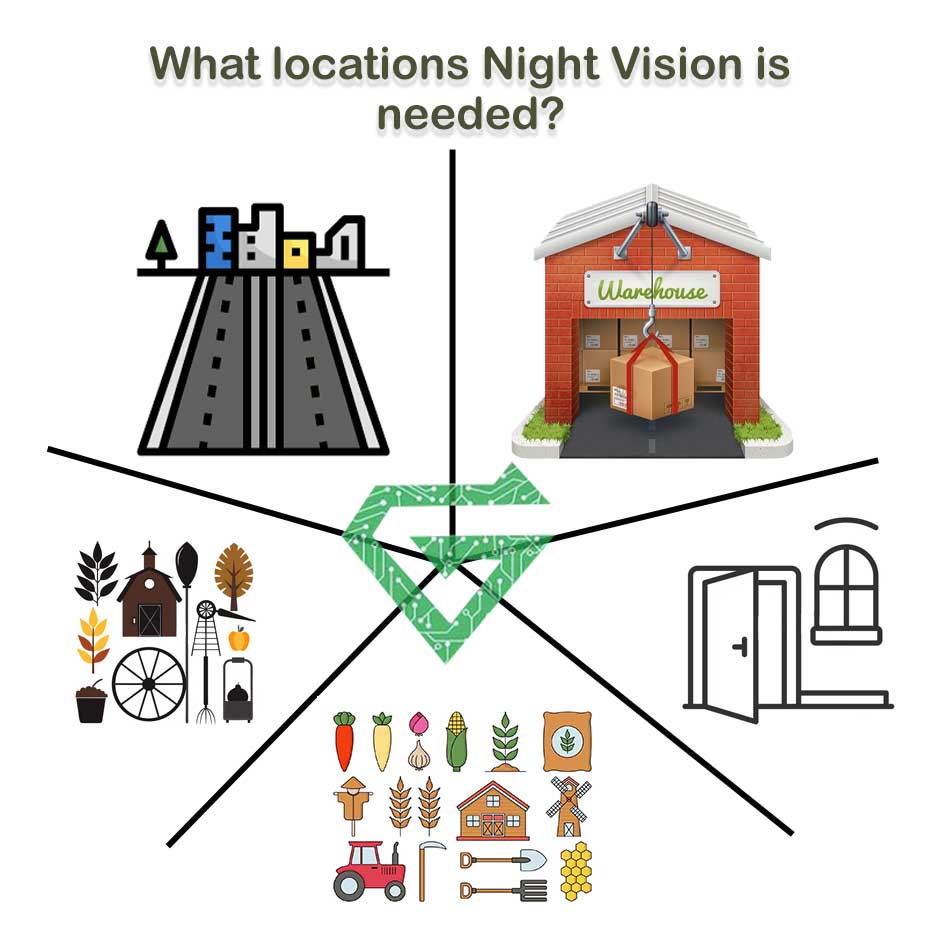
What locations Night Vision is needed?
- Home entrances and yards
- Parking lots
- Stores or warehouses
- Streets and alleys
- Remote properties or farms
Benefits of Night Vision in CCTV Cameras:
24/7 Surveillance
Allows the camera to monitor and record both day and night, ensuring full-time security coverage.
Crime Prevention
Deters thieves, vandals, and trespassers who often operate under the cover of darkness.
Evidence Collection
Captures clear footage at night, which can be used as legal evidence in case of a crime or incident.
Peace of Mind
Helps homeowners, businesses, and property managers feel safer knowing that dark areas are being watched.
Effective in Low-Light Areas
Useful for locations with little to no lighting, such as alleys, backyards, or rural areas.
Better Visibility Than the Human Eye
Infrared or low-light sensors can see in total darkness, unlike human eyes.
Cost-Efficient
Eliminates the need to install expensive outdoor lighting just for security purposes.
Supports Motion Detection at Night
Many night vision cameras still detect movement and trigger alerts, even in complete darkness.
Limitations of Night Vision:
- IR reflection on glass windows can reduce image quality (tip: place camera outside, not behind glass).
- Fog, rain, or dust can reduce visibility at night.
- IR night vision is usually black & white, not color.
- Color night vision may need streetlights or porch lights to work.
Tips for choosing a good night vision camera:
Choose a camera with at least 15–30 meters of IR range for outdoor use.
If you want color video at night, look for cameras labeled “ColorVu,” “Starlight,” or “Low Light.”
Avoid placing IR cameras behind glass, as it causes reflection and glare.
For long-range viewing (over 50m), choose bullet-style cameras with more powerful IR.
Conclusion:
Night vision is a vital feature in modern CCTV cameras, enabling effective surveillance during low-light or nighttime conditions. Whether through infrared (IR) technology, color night vision, or thermal imaging, this capability ensures continuous monitoring and enhanced security around the clock.
It helps deter crime, captures critical evidence, and provides peace of mind for both residential and commercial properties. As security needs grow, choosing cameras with reliable night vision features such as proper IR range, smart lighting adjustment, and high image clarity has become essential for any effective surveillance system. You can order IP Camera with high quality and warranty from Atech.ae.